
Borrower Document Checklist
What to request at intake, conditional approval, and pre-clear-to-close — phrased in plain English so borrowers send the right file.
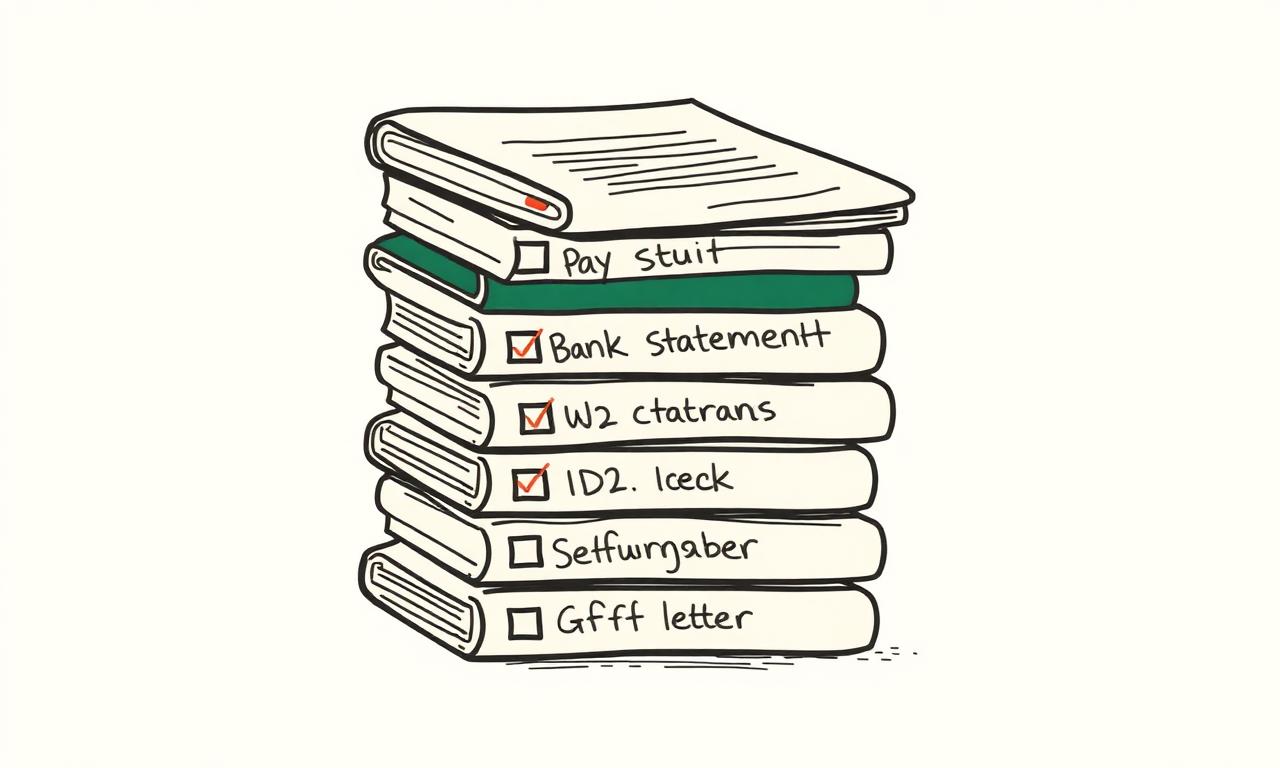
- Loan officers building the first borrower ask.
- Processors maintaining the checklist through conditional approval.
- Operations managers standardizing wording across the team.
- Anyone rewriting condition codes into borrower language.
At intake
Request identity, income, asset, and basic property documents in a single checklist. Keep each item short and avoid internal condition codes.
| Group | Plain-language ask |
|---|---|
| Identity | A photo of your government-issued ID |
| Income | Your two most recent pay stubs |
| Assets | Your last two monthly bank statements, all pages |
| Property | The purchase contract, if you have one |
At conditional approval
Ask only for the documents tied to open conditions. ConditionRail should show the borrower what is still missing and hide internal review notes.
Before clear-to-close
Use final refresh requests for documents that age quickly, such as bank statements, pay stubs, insurance binders, and closing disclosures.
When the file is unclear
Route unclear or conflicting evidence to the processor. Do not ask the borrower to interpret underwriting language.
- A borrower-facing checklist scoped to open conditions only.
- Upload slots with accepted file types and a reason for each item.
- Reminders that repeat the ask without adding pressure language.
- Duplicate and wrong-file warnings before the item reaches review.
- Deciding which documents a file actually requires.
- Interpreting conflicting or unusual borrower evidence.
- Condition clearance and any documentation waiver.
- Every underwriting and compliance determination.
ConditionRail does not approve, deny, underwrite, waive conditions, issue adverse action, or replace lending staff.